
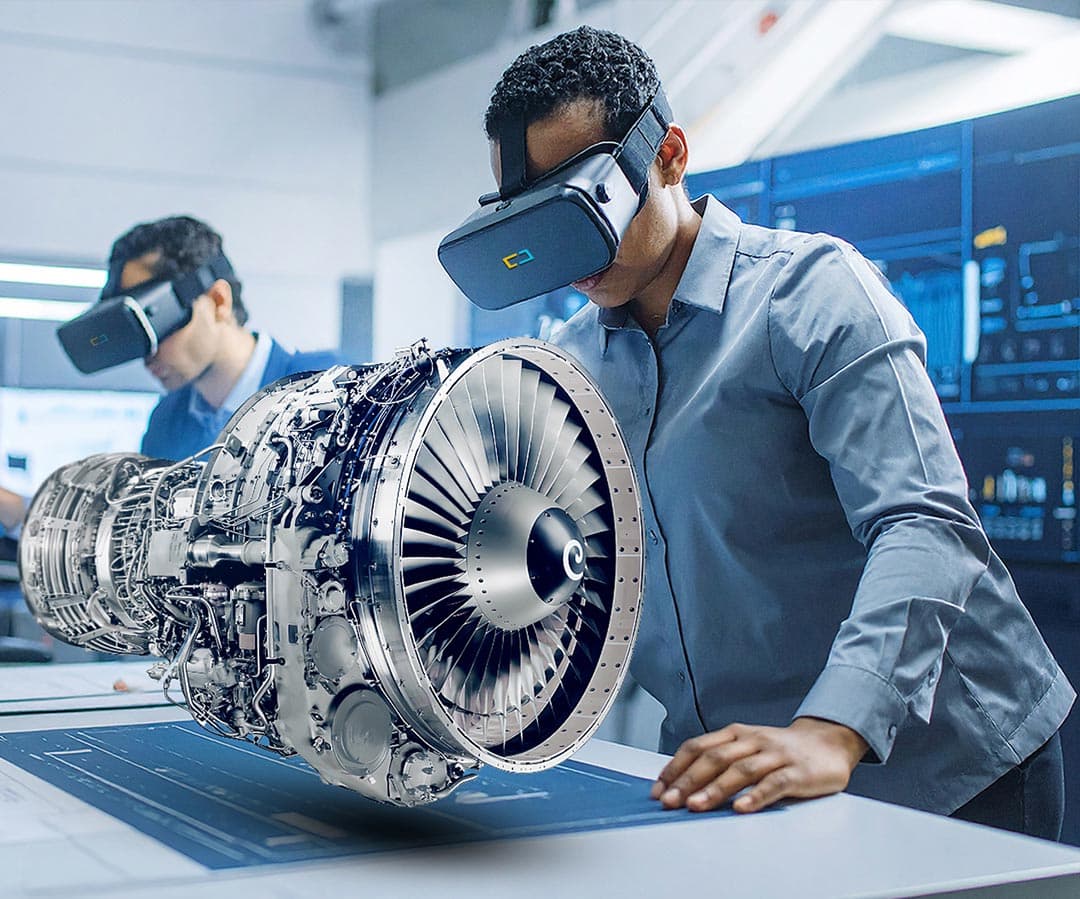
Planning a drilling operation used to mean relying on static drawings and past experience. A digital twin lets engineering teams test decisions against a live model before a single piece of equipment moves.
A digital twin, in our sense of the term, is a continuously updated virtual model of a physical rig or drilling operation. It mirrors real equipment configurations and, where connected to live telemetry, real operating conditions, giving engineers a working simulation rather than a fixed snapshot.
Testing Before Committing
The clearest benefit of a digital twin is the ability to test a structural change, a new procedure, or an equipment substitution in simulation before committing to it in the field. Mistakes that would be costly or dangerous on site can be identified and corrected in the model first.
This is particularly valuable during planning phases, when engineering teams are evaluating multiple configurations for a new site and need a fast, low-risk way to compare outcomes.
Building an Accurate Model
A digital twin is only as useful as its fidelity to the real equipment and conditions it represents. We build our models from as-built structural data, equipment specifications, and, where available, live sensor feeds, rather than relying on original design drawings that may not reflect changes made over a rig life.
Keeping a twin accurate over time takes ongoing effort. Equipment gets modified, sensors get added or replaced, and operating procedures evolve. We treat updating the model as a standing responsibility rather than a one-time setup task, since a twin that has drifted from reality can be more misleading than having no model at all.
Where the Value Compounds
The earliest digital twin work tends to focus on a single rig or site, but the real value compounds once multiple twins exist across a fleet. Engineering teams can compare how similar equipment behaves across different sites, and lessons learned on one twin can be tested against others before being applied in the field.
We see this as a long-term investment rather than a one-off planning tool. Every operation modeled today becomes part of a growing library of reference cases that make the next planning cycle faster and better informed.
A Shared Reference Point
Digital twins also give engineering, operations, and field teams a shared reference model to work from, reducing the miscommunication that can happen when different groups are working from different versions of a plan. As modeling fidelity improves, we expect the digital twin to become the default starting point for planning any Apex-supported operation.
Comments (10)
How much lag is there between live telemetry and the twin updating? Curious if it is near real-time or batched.
We tried something similar but gave up updating the twin after the first year. Good to see you are treating maintenance as ongoing.
The shared reference point idea is underrated. Most miscommunication on our projects comes from outdated drawings.
The point about fidelity drifting over time is exactly why our last digital twin project stalled. Ongoing maintenance has to be budgeted for, not treated as a bonus.
Would love to see a technical deep dive on how live telemetry gets fed back into the twin model.
Interested in how you handle version control when multiple engineers are updating the same twin model.
Testing configurations in simulation first has saved us real time on past projects. Good approach.
The fleet-wide comparison idea is the real unlock here. Single-site twins are useful but this is where it compounds.
Would love to see a follow-up on how you validate a twin against as-built data instead of original design drawings.
Shared reference point framing is spot on. Half our project delays come from teams working off different versions of the plan.
Leave a Comment
Have a project in mind?
Talk to our engineering team about digital twin modeling for your operation.
Contact Engineering