
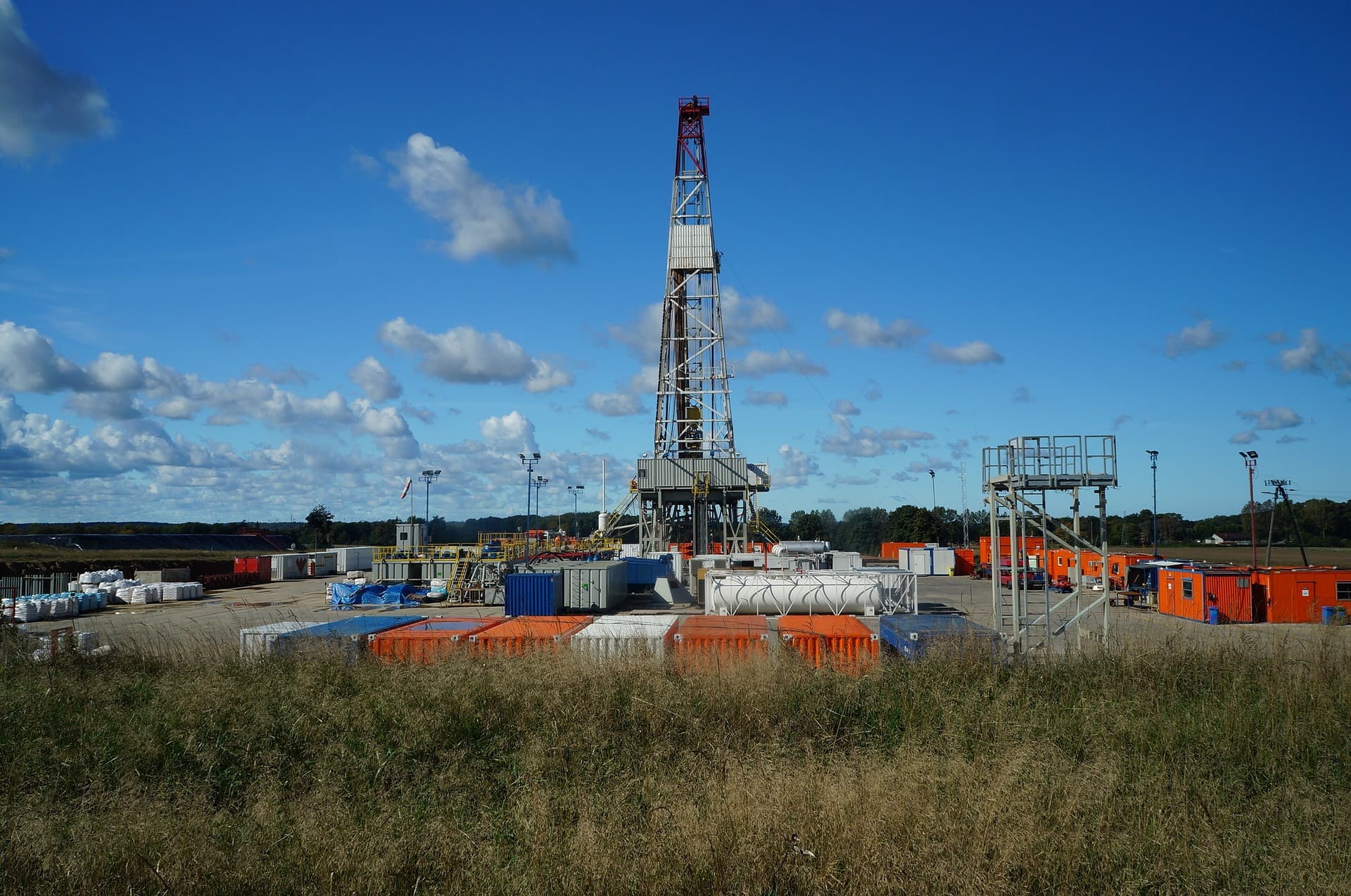
A derrick looks like a simple steel structure from a distance. Up close, it is a precisely engineered system that has to perform under some of the most demanding structural loads in industrial equipment.
Every Apex derrick begins with load analysis specific to the drilling program it will support: hook load, wind exposure, seismic considerations where relevant, and the operational profile of the rig it will carry. That analysis shapes everything from member sizing to connection design.
Designing for the Full Lifecycle
Modern derricks are expected to operate longer, move between sites more often, and integrate with more instrumentation than earlier generations of rig structures. We design with inspection access, sensor mounting, and maintenance procedures in mind from the earliest structural models, rather than retrofitting them later.
Material selection and connection detailing receive the same scrutiny as the overall structural form. Small design decisions at the joint level compound significantly over a derrick service life measured in decades.
Load Paths and Redundancy
A derrick has to carry hook loads, wind loads, and dynamic loads from drilling operations simultaneously, and those loads do not always act in the direction the structure is best suited to resist. Our structural models trace how force moves through the frame under a wide range of loading combinations, not just the worst case in isolation, since real operating conditions rarely apply a single load type at a time.
Redundancy is a deliberate design choice rather than a byproduct of conservative sizing. Where practical, we design load paths so that no single connection or member failure can compromise the structure as a whole, and we document those assumptions clearly so that future inspection and maintenance teams understand which elements are carrying critical load.
Learning From the Field
Structural engineering does not stop once a derrick is fabricated and installed. We track how our structures perform in service, including inspection findings and any unexpected wear patterns, and feed that information back into how we design the next generation of derricks.
This feedback loop is part of why derrick design at Apex sits close to our AI monitoring and research teams rather than operating as a separate discipline. Structural assumptions that hold up well in the field get reinforced in future designs, and ones that do not get revisited before they become a problem elsewhere.
Structure Meets Intelligence
Increasingly, our structural designs are built to work with the sensor and monitoring systems that are part of our wider technology platform. A derrick engineered with integrated monitoring in mind can report on its own condition, closing the loop between structural engineering and AI monitoring.
Comments (4)
The point about designing for inspection access from day one is something more structural teams should take seriously.
How does the load analysis change for derricks that will be relocated between sites multiple times?
Solid overview. The joint-level detailing point matches issues we have run into on older rig structures.
The redundancy point is well made. Too many derrick failures I have seen trace back to a single connection nobody flagged as critical.
Leave a Comment
Have a project in mind?
Talk to our engineering team about structural derrick design for your operation.
Contact Engineering